
1. The Rising Importance of Antimony in the Global Economy Antimony is essential for flame-retardant plastics, lead-acid batteries, and semiconductors, with demand driven by electronics and EVs. Global production is forecast to grow at a 7.4% CAGR, reaching $5.3 billion by 2030.
Prices have soared from $5,500/ton in 2019 to $60,000/ton in 2025, fueled by Chinese export restrictions.
As supply tightens, Nigeria’s deposits offer a timely opportunity for stable sourcing.
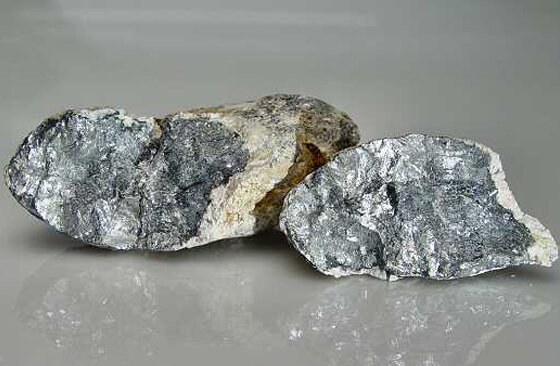
2. Nigeria’s Antimony Resource Base and Strategic Potential Nigeria’s antimony occurs in stibnite (Sb₂S₃) veins in Nasarawa, Plateau, and Bauchi States, often with gold and silver.
NGSA estimates 50,000 tons of reserves, with grades up to 5% Sb, suitable for export or refining. Production remains small-scale, but the 2025 Mid-Year Mining Report highlights antimony as a priority for diversification.
3. Red Snow Mines Solution: Leading the Charge in Antimony Mining Red Snow Mines Solution, headquartered in Jos, Plateau State, is Nigeria’s pioneer in antimony extraction. Operating in Nasarawa, the company produces 1,500 tons annually from stibnite veins, focusing on high-grade ores for tech markets.
Key Highlights of Red Snow Mines Solution’s Operations: Exploration and Extraction: Geophysical surveys identify antimony-gold associations, with open-pit methods yielding 4% Sb concentrates. Processing and Quality Assurance: Flotation and roasting achieve 60% Sb purity, certified by SGS for international standards. Export Capability: Shipments via Kano to Asian refiners comply with NEPC, ensuring traceability. Sustainability and Compliance: Per the Mining Act (2007), Red Snow recycles 70% water and funds local training.4. The Export Advantage: Driving Economic Growth Antimony exports tap a $5.3B market by 2030.
Red Snow Mines Solution’s Nasarawa output fetches $2M yearly, supporting forex diversification.
This builds logistics for larger minerals while attracting FDI.5. Local Value-Addition: The Next Frontier Value-addition turns stibnite into antimony trioxide for flame retardants locally. Red Snow Mines Solution is piloting:
A roasting facility in Plateau for 800 tons yearly. University ties for low-emission processing. Plans for a full plant by 2026, adding 80 jobs. This captures 65% more value, aligning with Nigeria’s beneficiation push.6. Economic and Social Impact of Antimony Mining Red Snow Mines Solution’s work benefits communities:
Jobs: 200+ in Nasarawa, 65% local. Infrastructure: Road and power upgrades. Development: $200K in education since 2024. Revenue: Royalties enhancing Plateau’s budget. CSR like soil remediation fosters trust.7. Challenges and Strategic Solutions Antimony mining faces toxicity risks and remote access. Red Snow Mines Solution addresses:
Safe handling protocols and monitoring. Solar logistics for Bauchi sites. Digital licensing with the Mining Cadastre Office. These ensure compliant, efficient operations.8. Policy Reforms and Investment Opportunities Nigeria’s 2025 reforms include antimony incentives. Red Snow Mines Solution gains from:
Tax breaks in Nasarawa. NEPC export facilitation. South Africa pact for joint exploration.The Future of Antimony Ore Mining in Nigeria Antimony production could reach 5,000 tons by 2030, driven by tech demand.
Red Snow Mines Solution plans:
Scale to 3,000 tons by 2027; Trioxide plant in 2026; and Offtake with European firms. This secures Nigeria’s niche in strategic metals.Conclusion: Building a Sustainable Antimony Future for Nigeria Antimony ore mining in Nigeria is a strategic niche for tech and defense. Red Snow Mines Solution is leading, exporting stibnite while advancing processing and sustainability.
As Nigeria’s minerals agenda grows, antimony will shine, and Red Snow Mines Solution will be the light in the Nigeria’s strategic mining path.